There are thousands of blogs on the internet that talk about film, and most certainly, there are critics that are smarter, better writers, or have better credentials than me. But, I’d like to think that every voice matters, so I’ve decided to start putting my rants (ya’ know, the rants my wife has to endure after every.single.movie) in a blog. Instead of a long introduction about who I am, I’d rather give you my list of films that I consider perfect.
Loosely defined, and in my own terms, a film is one that challenges me. This is such a broad definition, but I guess I’d like to put this out there: I want to feel something new, or think about the world in a different way whenever I watch a movie. Some people have told me that this makes me a snob, but I don’t think that’s necessarily true. I love low-brow, slapstick comedies (for the most part) just as much as the teenagers I teach, but there is a line between entertainment and social commentary. The best films balance both social commentary and entertainment. So, without further ado, here is my list of perfect films.
#1: Aladdin.
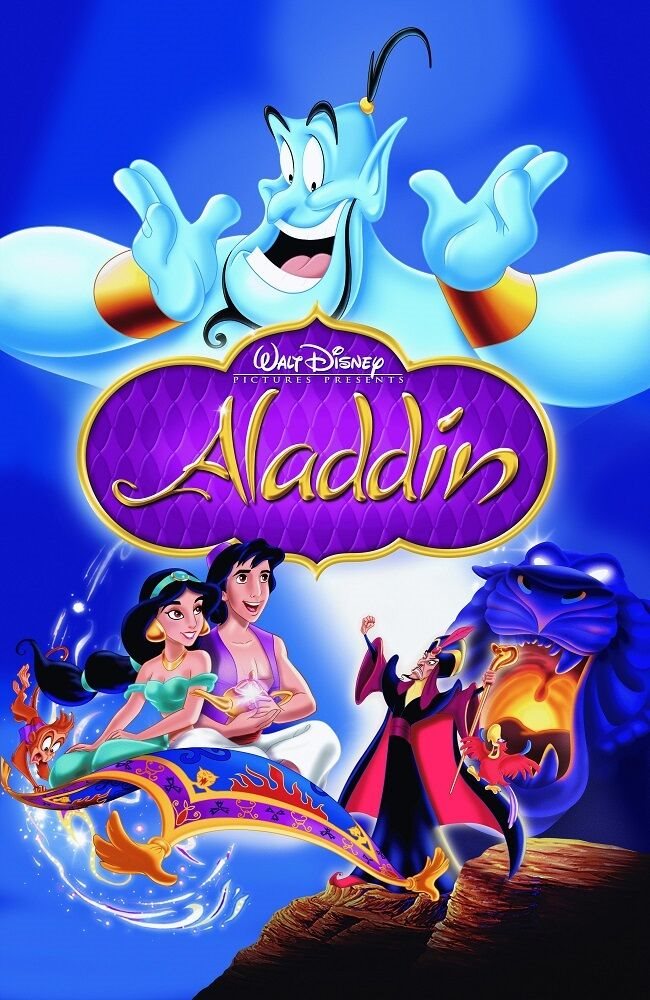
Aladdin’s checks the proverbial boxes of perfection. It has relevant themes that we still battle with today; it balances both entertainment (wonderful song writing and voice acting) and social commentary (poverty; the desire to move away from poverty at any means necessary) all while portraying a protagonist that you easily side with. As you watch, you find yourself rooting for Aladdin. You let it slide that he stole some bread because he deserves to be happy just like everyone else. You face his humanity in the first 10 minutes of the film when he gives food to a family more in need than himself. And even though he starts to lose sight of himself, we know that he will come to terms with who he is. It has an all-star cast that steals the show, and we are not left with a feeling of emptiness. As humans, we need to have a satisfactory ending, and this movie doesn’t fail to do that.
#2: Fight Club.
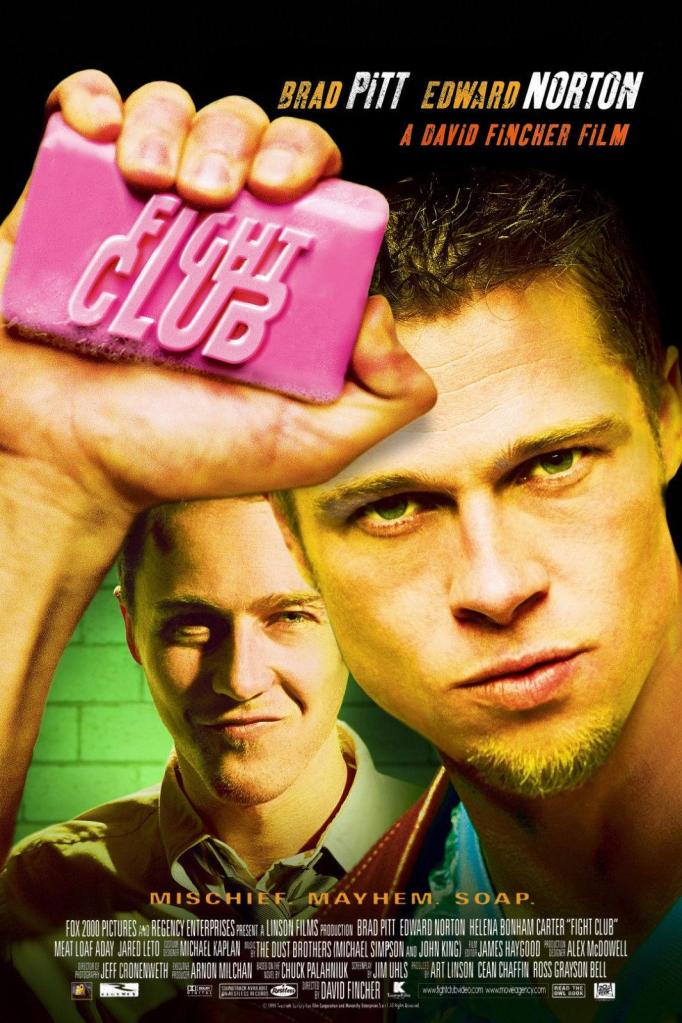
David Fincher (a man known for: Se7en) takes two cultural phenomenon’s — Edward Norton and Brad Pitt — and places them in a plastic world of consumerism and has them blow it all up. This movie takes two stars at the brink of their of their careers, and makes the audience hate to love them.
Fincher asks the audience to pick a side; monotony or chaos, and whatever we choose, we have to weigh the options. It places the audience in a moral dilemma, and if we can’t choose, then we are the conventional members of society. Who wants to be boring? That’s what makes this movie so powerful. Not to mention that this is Brad Pitt being what we expect Brad Pitt to be: a shirtless, ripped, asshole who fucks like a god. Morally, we all want to be Brad Pitt. We want to fight the system; we want to live a basic life full of authentic experiences. We want to not care about money, or the IKEA catalog, or the way our curtains sit against the color of our living room walls — but reality forces its expectations on you. Fight Club allows you live vicariously through the bad boy lens, and you come out better for having lived it. Being ‘woke’ is not about always changing the world, but about recognizing that the world needs to be fixed and siding with the right side of history.
#3: Shawshank Redemption.
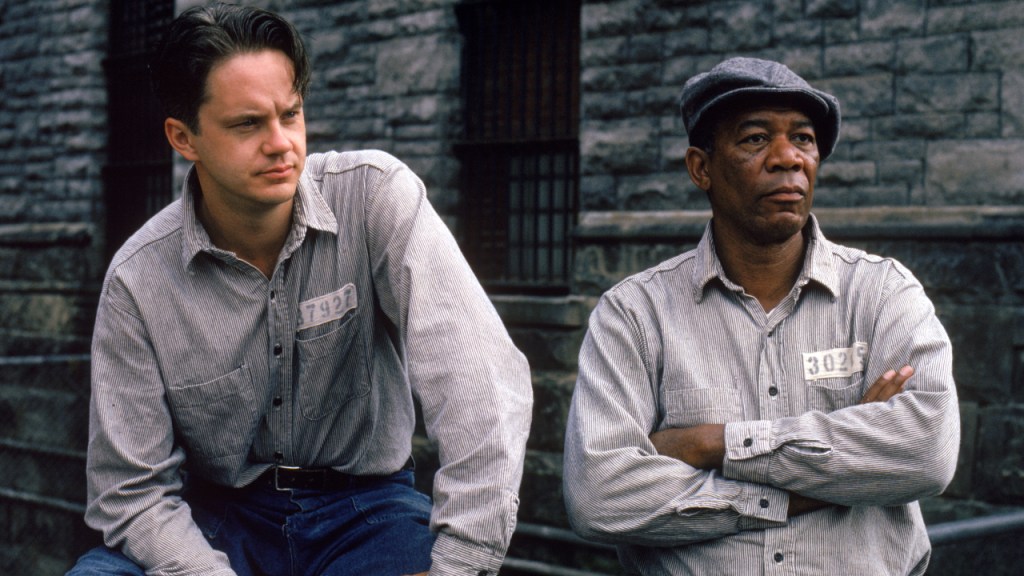
Shawshank Redemption starts by challenging the audience’s notion of what is morally correct. We struggle with sympathy for the protagonist. Andy, convicted of murdering his wife and her lover, is supposed to be a despicable character. But, can we really blame him? Haven’t we all felt rage like he did? Maybe he went too far, but is impulse really something we can control when we are flooded with emotion? We can sympathize with him, and that creates conflict for us as the audience. We leave the movie questioning our own morality, and this makes the movie one that everyone should watch. We fall for Andy, and we root for him: does that makes us despicable as well?
#4: Parasite.

I saw this movie in November of 2019. There has not been a single day since where I have not thought about this movie. Set in South Korea, a poor family struggles to make ends meet, and eventually infiltrates a wealthy family by posing as workers the wealthy family needs. They take over and lead the film down a dark path of horror, comedy, and residual sadness.
There is a level of social commentary at work through-out the film; a realization that we must come to as a society — that we treat those underneath us as parasites; we allow them to bottom-feed, we give them hope, and we allow them temporary access to our lives, but the reality? They’ll never make it.
Our main characters are parasites: they are temporarily in the lives of the rich, they bottom feed from the rags they are paid, they are with the family through-out the day, and even live like Kings and Queens overnight when the family goes on a camping trip; but ultimately, they have to return. Eventually, they are cast out and forced back into their lives. They take the minimal payment, what their host can spare for their presence, and take it home to live a temporary lavish lifestyle. Everything is temporary for them. This is what it is like to be poor. Growing up, we never had money. When we did, it was frivolously spent on ‘luxury’ items that created temporary happiness.
This movie is brilliantly made; each frame taking us through the lens of both families. We experience what it is like to live at the bottom of society, and we experience what it is like to live at the top. This movie, unlike the others on my list, doesn’t allow us to make a choice on what we want to be: it makes the clear distinction that we do not have a choice, we must make the correct decision. We must fight for those that need it the most.
This is by no means an exhaustive list. I have not seen every movie ever made. But there is something to say about these films: what can we learn from them and how do these films make us better members of society?
 filmsandrants.movie.blog